
Can a post-meal walk lower your blood sugar (and belly fat)?
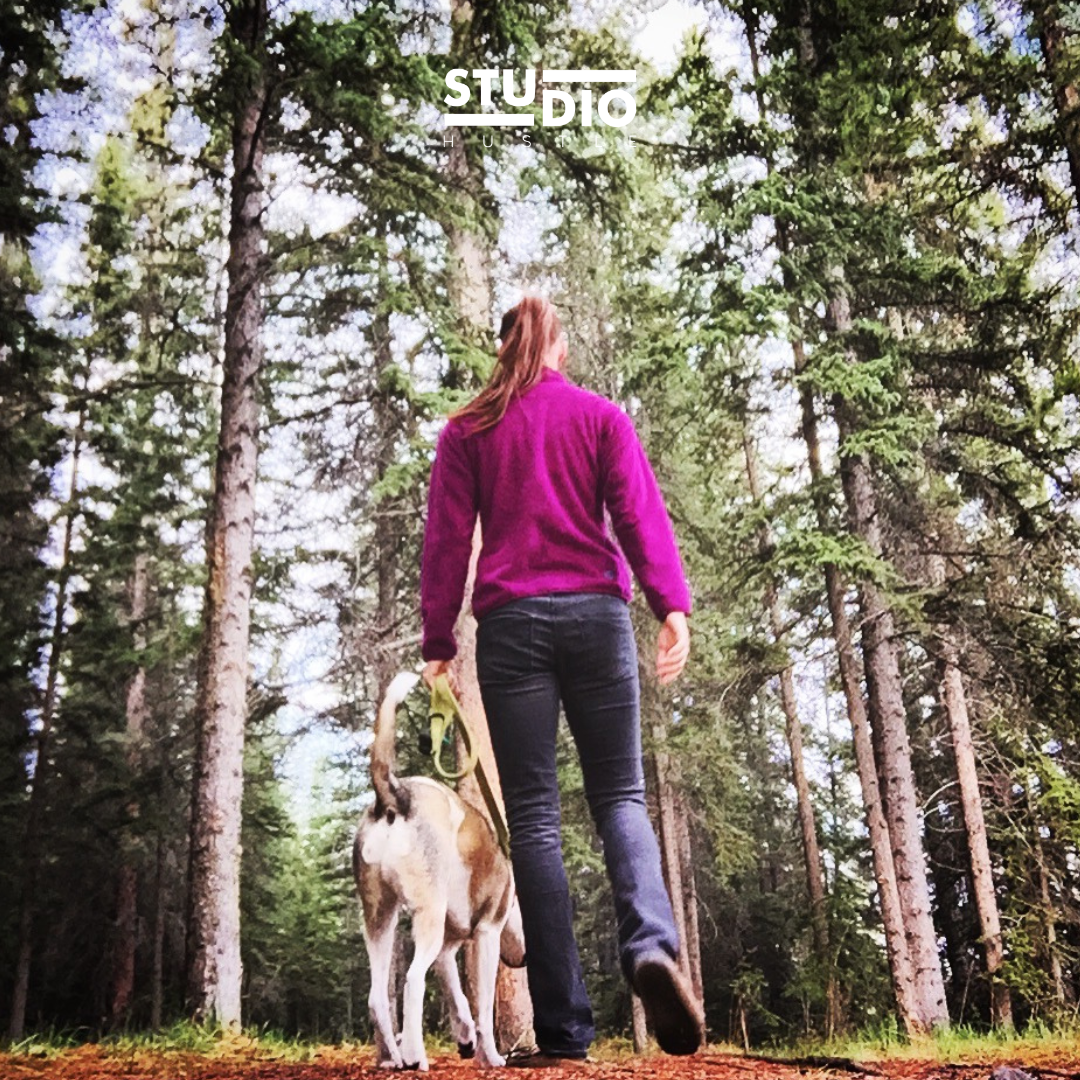
I grew up taking after-dinner walks with my mom in the evenings and have carried on the practice as an adult. It’s always been a nice way to socialize with a friend on the phone or exercise my dog, but I also notice how much better I feel afterward - my stomach is settled and my mood is much calmer. As I’m cruising into the perimenopause phase of my life, I’m also doing it for the physiological benefits: lowering my blood sugar, increasing my metabolism, and helping with belly fat. Let me explain:
Walking After Meals Lowers Blood Sugar Levels
Walking after meals can have significant benefits for managing blood sugar levels, as highlighted by a study published in the journal Diabetes Care. The research shows that a short, light walk after eating can be particularly effective in reducing post-meal blood glucose levels. This is great for everybody, but it’s especially important for individuals with or at risk of type 2 diabetes.
How Long Should You Walk?
The study found that even brief walks of about 10 to 15 minutes after meals can lower blood sugar spikes. Walking helps to activate the muscles, which in turn aids in the uptake of glucose from the bloodstream. This means that instead of sitting down after a meal, getting up and moving around can help your body process the sugar more efficiently, preventing the sharp increases that are harmful over time.
When Should You Walk?
For the best results, it’s important to start your walk immediately after eating. The study emphasizes that timing plays a crucial role in maximizing the benefits. Walking as soon as you finish your meal helps to counteract the initial rise in blood sugar levels, which typically occurs within the first 60 to 90 minutes after eating. By moving right away, you help your body manage glucose more effectively, making this simple habit an easy way to support better your metabolic health. The researchers noted that walking after meals is more beneficial in managing blood sugar than taking a single longer walk at another time of the day.
Personally, I prioritize the post-meal walk after dinner, because it’s usually the biggest, heaviest meal of the day. The movement not only helps to minimize the “heavy stomach” feeling after a big meal, I tend to fall asleep faster and stay asleep longer if I’ve moved after dinner and before bedtime.
An Added Benefit: Fat & Weight Loss
Along with lowering blood sugar, post-meal walking can also aid in weight and fat loss. By reducing the post-meal glucose spikes, you also reduce the corresponding insulin response. Since insulin is a hormone that promotes fat storage, keeping it more stable may help limit the fat accumulation over time.
As stated above, timing is important. You walk immediately after meals, you lower blood glucose, and that may lead to greater weight loss compared to walking later. This effect isn’t limited to those with diabetes—anyone can benefit. Regular post-meal movement helps anybody improve how their body processes nutrients, supports calorie burn, and contributes to a more favorable metabolic environment for fat loss. And as we age and hormones start shifting, any additional help with weight loss can be welcome!
Why This Matters for Women in Perimenopause
As women enter perimenopause, hormonal shifts—particularly declining estrogen—can lead to increased insulin resistance, higher blood sugar levels, and a greater tendency to store abdominal fat. This is one reason many women notice weight gain despite maintaining the same diet and exercise habits. Raise your hand if you’ve been increasingly frustrated with this!
Incorporating the habit of walking after meals can be especially powerful during this stage. By improving blood sugar control and insulin sensitivity, post-meal walks help counteract some of the metabolic changes that make fat loss more challenging. Over time, this can support better weight management and energy levels —without requiring as many intense workouts.
Making Post-Meal Walking a Habit
Like any healthy habit, consistency is what makes the difference—and the good news is this one is easy to build into your day. Think of it less as “exercise” and more as a natural extension of your routine:
After breakfast: Take your dog for a quick walk, or do a lap around your neighborhood before starting your day. Obviously ignore this option if you’ve got kids to get out the door. ; )
After lunch: Walk the stairwells in your office building, take a loop around the block, or even pace while taking a call.
After dinner: Head outside for a relaxing stroll, or use a walking pad or treadmill if it’s dark, raining, or just not appealing to be outdoors. If you’ve got kids, let them ride their scooters or bikes with you to get some extra energy out before bedtime.
It doesn’t have to be long or intense. The goal is simply to move your body shortly after eating—10 minutes here and there adds up quickly and delivers real benefits.
A Simple Place to Start
If you’re looking for a small change that can make a big impact, this is it. And with spring here (in this hemisphere at least), it’s the perfect time to start. Longer days, warmer weather, and a little sunshine can make these walks feel less like a task and more like something you actually get to do.
Start with one meal a day. Keep it short. Then build from there. Your body will thank you for it!
If you’re looking for more personalized help with your fitness goals, I can help.
References