
When The Change of Seasons Wrecks Your Routine
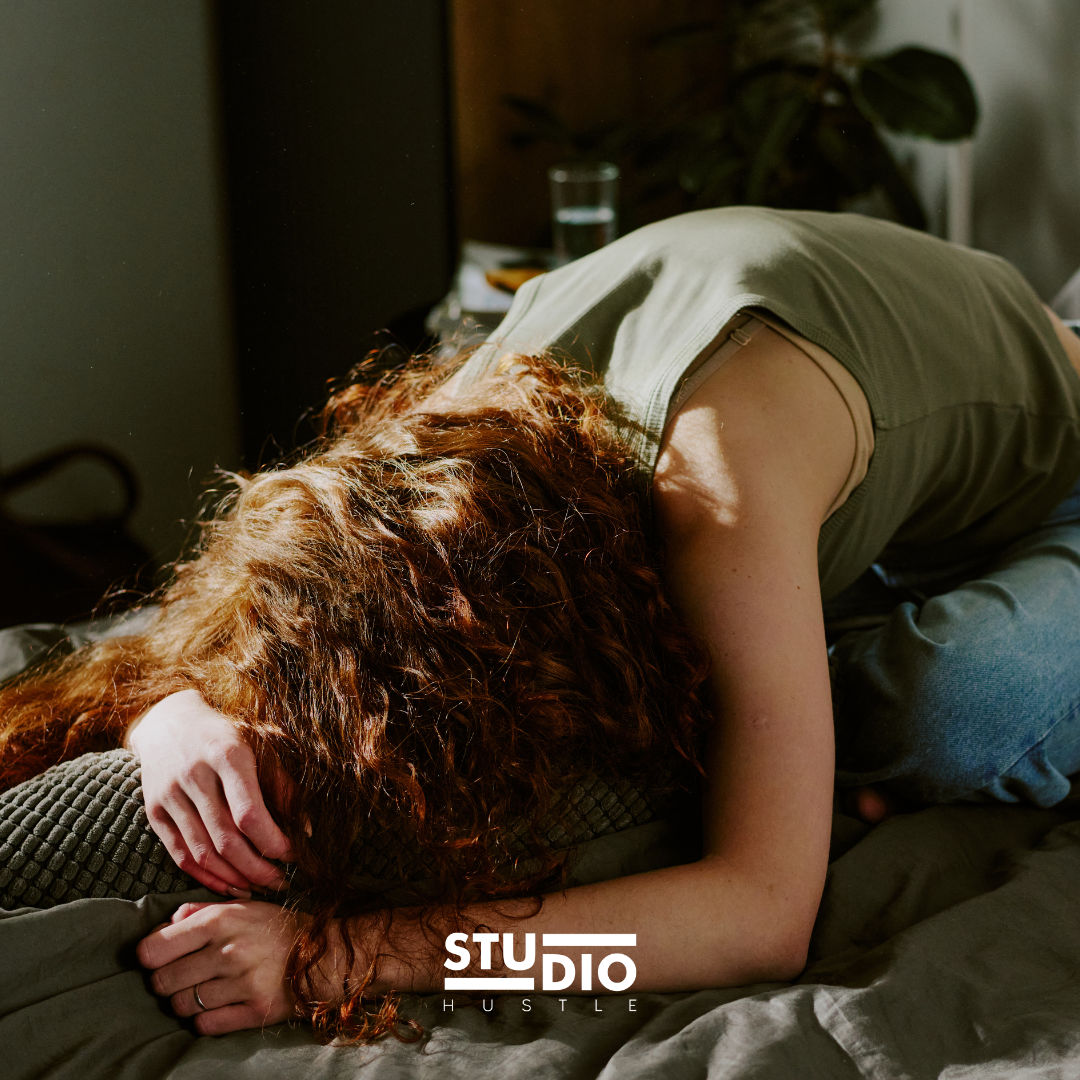
I think one of the hardest things about being an adult is finally feeling like you’re getting into a rhythm with your routine, and then a new season begins. Your entire schedule changes and it sends your routine all to hell. 😅
Every new season brings a little disruption to our routines—and late summer/early fall is a big one. Kids are going back to school, sports seasons are starting, work schedules shift, and suddenly the routine that worked so well a few months ago doesn't quite fit anymore. If you’re wondering how in the world you’re supposed to keep up with everything, you’re not alone. Usually the answer isn’t to do more. It’s to adapt your system(s).
Consistent Doesn’t Mean Constant
James Clear, author of Atomic Habits, has a quote that I love:
“In theory consistency is about being disciplined. In practice it’s about being adaptable.”
Consistency doesn’t have to mean doing the same workout on the same day of the week every week. It also doesn’t mean eating a perfectly healthy home-cooked meal at the dinner table at the same time each night. It can’t. Instead, think of consistency as continuing to make choices that move you toward your goals, even when your circumstances change.
Your schedule will change, your energy will change. Your kid will get sick, your parent will need help, the weather will ruin your plans. Life will happen. Your routine will need to be able to change with it.
Let Go of “All or Nothing” Thinking
This form of perfectionist thinking isn’t doing you any favors. One of the easiest ways to fall out of routine is to believe that if you can’t do your full workout, you might as well do nothing… But something is always better than nothing, walking is better than sitting, and cycling through a 3 exercise strength circuit for a few minutes can be all you need to make your body feel better. That perfect hour-long window may never appear on your calendar, but moving the needle even the tiniest bit forward can help you physically as well as mentally.
Shorter Workouts Still Count
Researchers have shown that 10 minutes of physical activity can improve mood and attention for work as well as improve other aspects of health including circulation, blood pressure, and body composition. I’ve actually gravitated toward shorter workouts myself lately. I’m doing more 20 minute online workouts and mixing in shorter bouts of cardio on alternating days. When the weather’s nice, I walk outside with my dog, sometimes while on a phone call, sometimes while listening to an audio book, sometimes just listening to nature while I try to decompress. Other days, late at night* I squeeze in 10 minutes on the bike or rowing machine before hopping into the shower and heading to sleep.
*When I was younger, working out at night used to amp me up and keep me from falling asleep, but now it’s helping me fall asleep faster than ever. Weird… but I’m going with it because it’s working.
I don’t follow a set schedule - there’s no way I could right now. I do what makes sense for me on that day in the amount of time I have.
The goal isn’t to force myself into a routine I can’t possibly adhere to, it’s the make movement fit into the day I’m having.
Workout “Snacks”
Reminder: your body will adapt if you keep asking it to. You may have heard the term “workout snacks” lately. It’s reffering to short bouts of effort that are still enough stimulation to elicit physiological adaptations from your body.
Examples include:
A short strength circuit (say 3-5 exercises, 10 reps each) repeated until your time runs up.
Y’all know I’m all about the short after-dinner walk.
Walking the stairs between meetings or around the field during your kid’s practice.
Every time you do something that gets you closer to your goals, you’re practicing consistency.
Changing the Meal “Plan”
Optimally we’d all eat a perfectly balanced meal at home at the dinner table, but evenings can almost be harder than the work day. Ideas:
Instead of defaulting to the drive thru (and paying the price later with an aching stomach, low energy and weight gain) stop into the grocery store for something from the salad bar, the deli, or the pre-packaged fresh fruits, veggies, and protein packets.
Get the crock pot cranking on Sundays so you’ve got a couple meals of leftovers for grab-n-go options.
Maybe trade off with other parents at the ball field and take turns bringing soups or stews to practice this fall.
This won’t work every night of the week, but even doing it once or twice per week in place of a greasy value meal can make a difference in how you feel, both in the short and long term.
Move the Needle
Smaller movement efforts will not only get the blood flowing, they’ll help you build better habits, which can make you feel good mentally and emotionally. Every time you make the choice to complete the small workout or prep the better meal, you’re reinforcing the identity of someone who takes care of their body. This helps maintain momentum and perhaps most importantly, it keeps you from feeling stuck, discouraged, and frustrated.
Be Adaptable
So the new season brings new schedules. Don’t panic if your old system stops working. Adjust it. Shorten it. Adapt your mindset around it. Move things around. Find what fits.
New season. New system. Go for better, not perfect.
How I Can Help
If you need help with ideas on how to do this for yourself, I can help. Book a consult with me, tell me about your situation and let me know what you’re trying to accomplish. We can meet in person or online and I can help with meal plans and/or short, personalized workouts you can do anywhere.
And in honor of this upcoming Fall season, I’m offering 15% off my 3 Session Kickstart package with code BACK2SCHOOL.
Good luck this season!